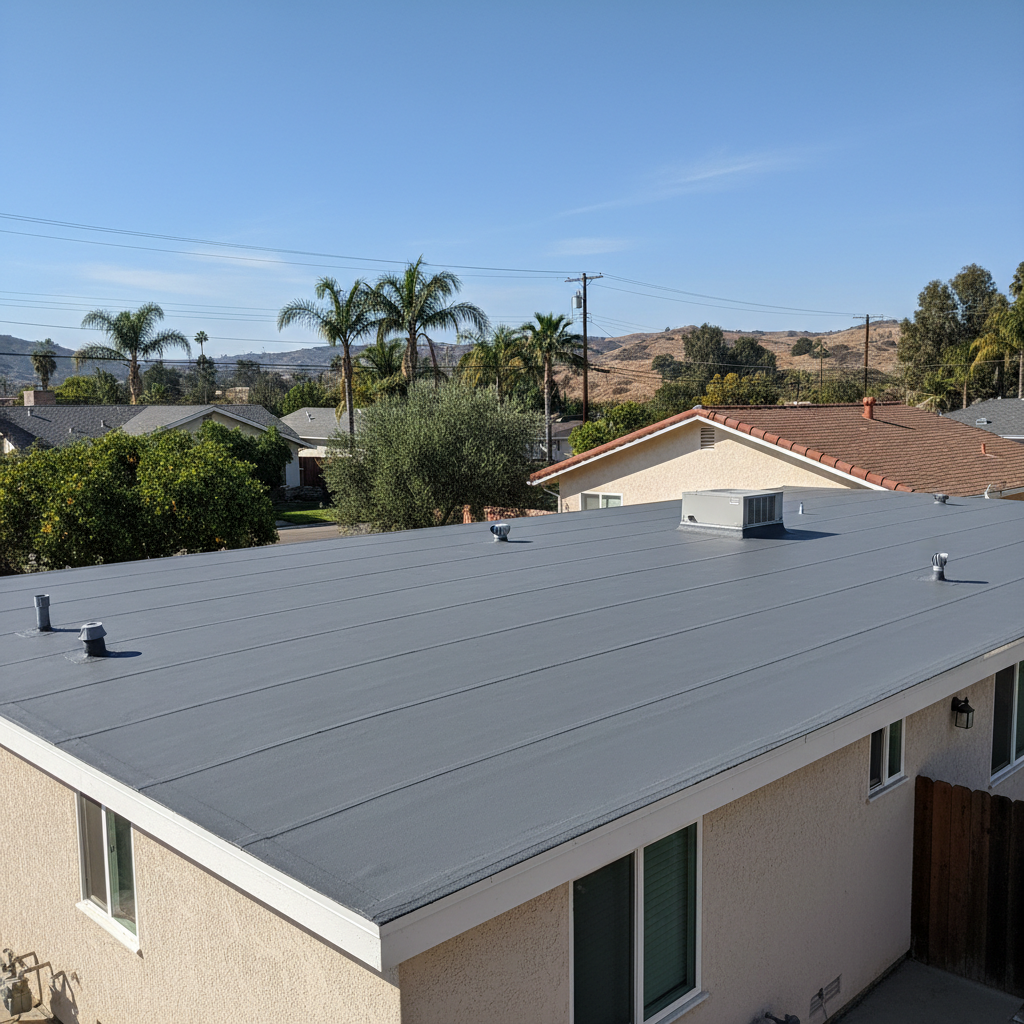
So, you're thinking about a flat roof project for your place right here in Alhambra. Maybe that old garage roof has seen better days, or perhaps you've got a new addition that needs a solid, leak-proof cap. Whatever the reason, putting on a new flat roof isn't just about picking a color and signing a check. It's a pretty big investment, after all. You want to make sure it's done right, on time, and without any nasty surprises. I've been in this business for years, and trust me, I've seen it all. Here's what you really need to know to plan your project like a pro.
Understanding the Timeline: What to Expect
Let's talk about how long this whole thing actually takes. It's not an overnight job, no, but it's usually not a months-long saga either. The timeline really gets going once you've picked a contractor and chosen your materials. For a typical residential flat roof—think a garage or a small extension—you're looking at a few distinct phases:
- Initial Chat & Quote (1-2 weeks): You'll call a few roofers, they'll come out, check your roof, and give you an estimate. This is your chance to ask all those first questions.
- Contract & Scheduling (1-3 weeks): Once you choose a contractor (we hope it's Apex Roofing!), you'll sign a contract. Then, we'll get you on the schedule. This can change depending on how busy we are and if we need to order any special materials.
- Permits (2-4 weeks, sometimes more): This one's a big deal. Any significant roofing work in Alhambra, especially if we're tearing off the old roof and putting on a new one, needs a permit from the city. Your contractor should handle this for you, but it takes time for the city to review and approve things. Don't let anyone tell you they can skip this step; that's a huge red flag and can cause big headaches later on.
- Material Delivery (1-2 days before project start): Your chosen roofing materials will show up at your place.
- Project Execution (3-7 days): This is when the actual work happens. For most residential flat roofs, it's a pretty quick process. A small garage might be done in 2-3 days, while a larger section could take 5-7. Weather plays a huge role here, obviously; we can't lay down certain materials in the rain.
- Final Inspection (1 week after completion): The city inspector will come out to make sure everything meets code.
So, from your very first phone call to that final sign-off, you're probably looking at a total window of 6-12 weeks. Don't rush it. Good work just takes time.
What to Expect During the Process
Once we get started, your home will feel a bit like a construction zone. Here's what's typically going to happen:
- Noise: There will be hammering, tearing, and maybe some machinery noise. It's unavoidable, unfortunately.
- Debris: We'll set up tarps and protect your property, but old roofing material will be coming off. We'll have a dumpster or truck on site for disposal.
- Foot Traffic: Our crew will be on your roof and around your property. We're professionals, but it's good to be aware.
- Material Staging: New materials will be delivered and stored somewhere accessible, usually in your driveway or on the street (we'll get proper permits if needed).
- Safety First: We'll have safety cones and caution tape up. Please keep kids and pets away from the work area.
We really do our best to keep things tidy and minimize disruption, but a roofing project is still, well, a construction project. We'll talk with you daily about how things are going and any issues that pop up.
How to Prepare Your Home for the Project
You can help make the process smoother for everyone involved. A little preparation goes a long way, believe me:
- Clear the Area: Move anything valuable or fragile away from the perimeter of your house. Think patio furniture, grills, planters, garden ornaments, even delicate plants right up against the house.
- Protect Your Interiors: Flat roofs, especially older ones, can sometimes drop debris into the attic or even through to the ceiling below during tear-off. If you have an attic directly under the flat roof, cover anything stored up there with old sheets or tarps. If it's a finished room, consider moving sensitive items.
- Secure Pets: Keep your pets indoors or in a secure, enclosed space away from the work area. The noise and activity can really stress them out, and we certainly don't want them getting underfoot.
- Vehicle Access: Make sure there's clear access for our trucks and equipment, especially for material delivery and debris removal. If you usually park on the street, you might need to find an alternative spot for a few days.
- Inform Neighbors: A courtesy heads-up to your immediate neighbors can make a big difference. Let them know there will be some noise and activity for a few days.
- Trim Trees: If you have branches overhanging your flat roof, consider trimming them back before we start. It'll give us better access and help prevent damage to new materials. This is especially true for some of the older homes in the Mission District with their mature trees.
Key Questions to Ask Before Signing a Contract
Don't just go with the first quote you get. Ask these questions to every contractor you're considering:
- Are you licensed and insured? Get their license number (CSLB) and verify it. Ask for proof of liability insurance and workers' compensation. This protects you if someone gets hurt or if there's damage to your property.
- What specific flat roofing system are you proposing, and why? There's TPO, PVC, modified bitumen, EPDM... each has its own pros and cons. A good contractor will explain why they recommend a particular system for your specific roof and our local climate.
- What's included in the quote? Does it cover tearing off and disposing of old materials? Flashing? Gutters? Permits? Warranty? Get a detailed breakdown, don't be shy.
- What kind of warranty do you offer? You want both a manufacturer's warranty on the materials and a contractor's warranty on the labor. Understand the terms and how long each one lasts.
- Who will be doing the work – your employees or subcontractors? It's not necessarily a deal-breaker if they use subs, but you should know. If they do, ask if they vet their subcontractors and make sure they're also licensed and insured.
- How do you handle unexpected issues? Sometimes we uncover dry rot or structural damage once the old roof is off. How will they communicate this, and what's the process for approving additional costs?
- Can you provide references? Ask for contact information for a few recent clients who had similar flat roof projects.
- What's your payment schedule? A reputable contractor won't ask for 100% upfront. Typically, it's a deposit, then progress payments, and a final payment once everything's done and you're satisfied.
Choosing a contractor is a big decision, a really big one. Take your time, do your homework, and don't be afraid to ask tough questions. You're investing in your home, and you deserve a roof that's going to protect it for years to come.